A concrete coating looks finished on the day it goes down whoever put it there. The difference between one that lasts and one that peels shows up a year or two later, and it comes almost entirely from work you never see: how the concrete was prepared, what happened to the old coating, how the cracks were handled. That is also why two bids for the same floor can be so far apart.
These are the questions worth asking any contractor before you sign, ours included. A good contractor will be glad you asked them.
1. How will you prepare the concrete?
This is the most important question on the list. A coating bonds to the concrete it goes on, and concrete that is sealed, dusty, oily or smooth gives it nothing to hold onto.
What a good answer sounds like: a specific method. On our jobs that is mechanical diamond grinding before anything goes down, every time. Shot blasting and scarifying are other mechanical methods with their own uses, explained in how old floor coatings are removed.
What should make you pause: pressure washing and an acid etch as the whole of the prep, or no clear answer at all. Etching does not open concrete the way grinding does, and it is the reason so many weekend kits let go. Why epoxy garage floor kits peel goes into it.
2. What happens to the coating or sealer that is already there?
If there is paint, an old coating or a sealer on the slab, ask whether it is coming off. Coating over a failing coating gives you the same failure with a new color on top. Taking it off is real work and it should be in the price, not left as a surprise or quietly skipped.
3. Who will actually do the work?
Some contractors sell the job and pass it to a subcontractor. That is not automatically a problem, but you should know, because the people who prep the floor decide how long it lasts. Ask who will be on site from the grind to the final coat. On our jobs it is our own crews throughout, and several of them have been with the company more than thirty years.
4. What do you see in my slab?
A price over the phone, without anyone looking at the concrete, is a price for a standard floor that may not be yours. Ask what the contractor noticed on the walk-through: cracks, oil, moisture, old coatings, damaged edges, a slab that is settling. Each of those changes what the prep involves.
A contractor who has looked properly will also tell you if something is wrong. Concrete can almost always be restored, but not always, and the honest answer at the estimate is worth more than a finish that fails along with the slab under it.
5. How will you handle the cracks and the joints?
Ask what happens to the cracks before the coating goes on, and what happens to the control joints. Filler smeared across the top of a crack is the first place a coating lets go. Cracks should be opened out, cleaned and filled. Whether a crack will come back through the coating depends on whether it is still moving, and will the cracks come back through a new coating explains how to tell.
6. Why this system for this floor?
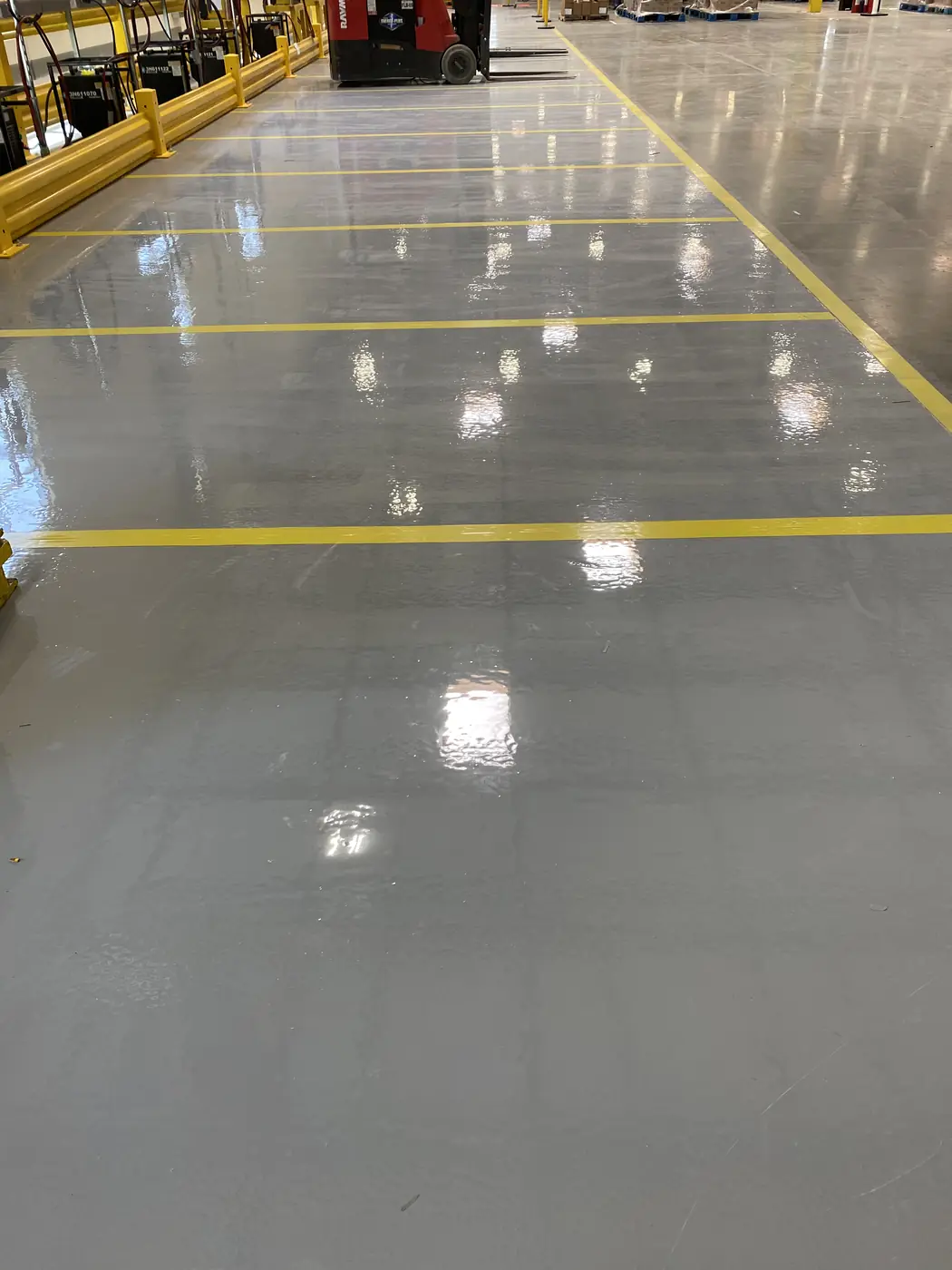
There is no single coating that suits every floor. A garage that stores a car, a working shop and an outdoor pool deck need different things, and a contractor should be able to explain why they are recommending what they are.
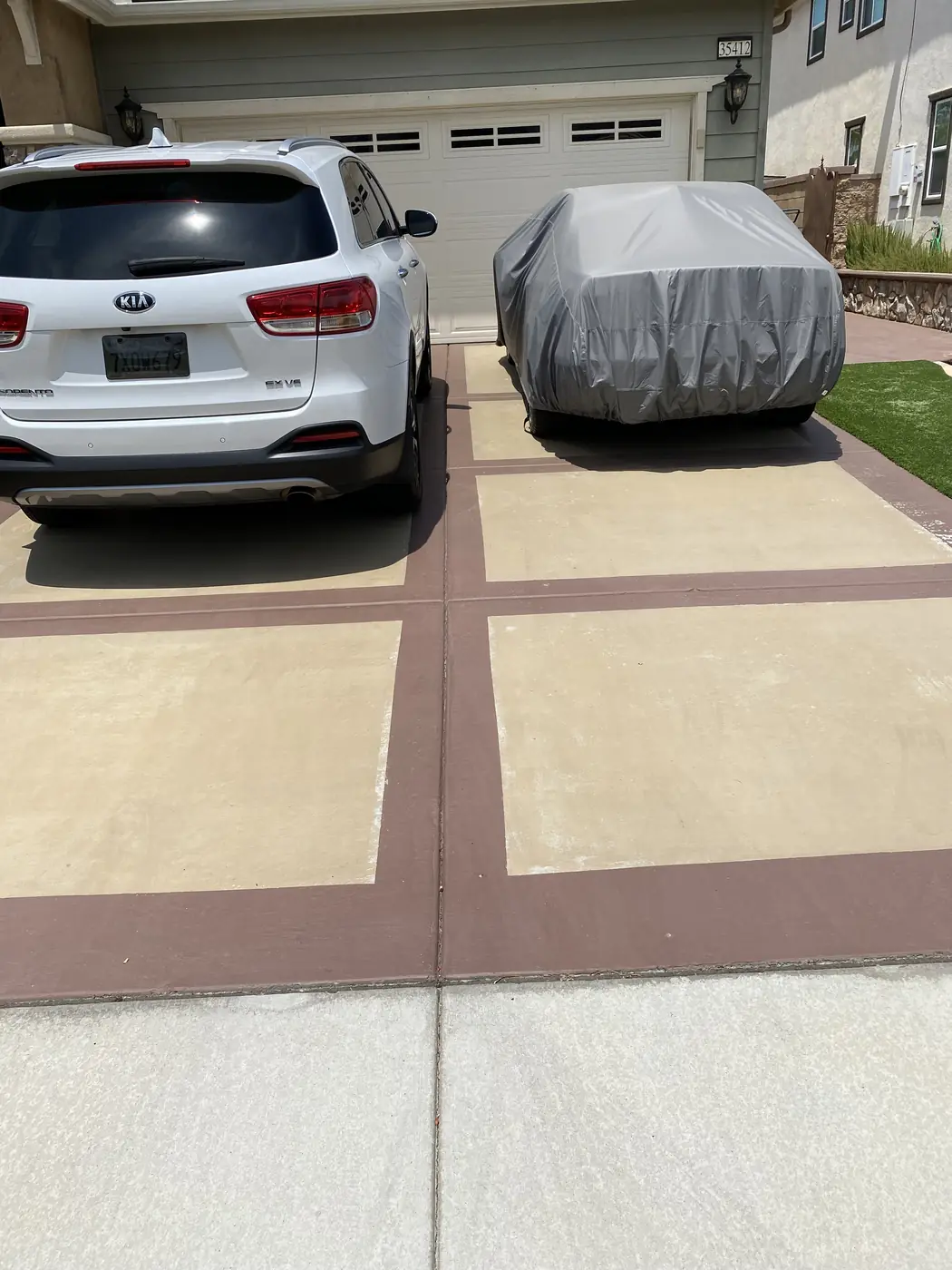
Sun is the clearest example. Standard epoxy ambers and chalks under direct sun, so it is the wrong choice for most exterior slabs in Southern California. If someone proposes plain epoxy for a sunny patio or pool deck, ask why. Polyaspartic vs epoxy and polished concrete vs epoxy cover the main trade-offs.
7. When can we walk on it, and when can we drive on it?
Foot traffic comes back well before vehicles, and the real times depend on the system and the weather that week. Be wary of anyone promising you can park on a new floor the same day. A contractor should give you actual dates for both, so you can plan around them.
8. What does the warranty cover, and for how long?
Ask for the warranty in writing, and ask what it covers. Material and labor are often warranted separately and for different lengths of time. Ours is five years on material and one year on labor. Whatever the terms, you should know them before the work starts rather than after something goes wrong.
9. Are you licensed?
In California, contractors doing this work should hold a license from the Contractors State License Board, and you can look up any license number on the CSLB website to check that it is current. Ours is 641729.
10. Can I see work like mine?
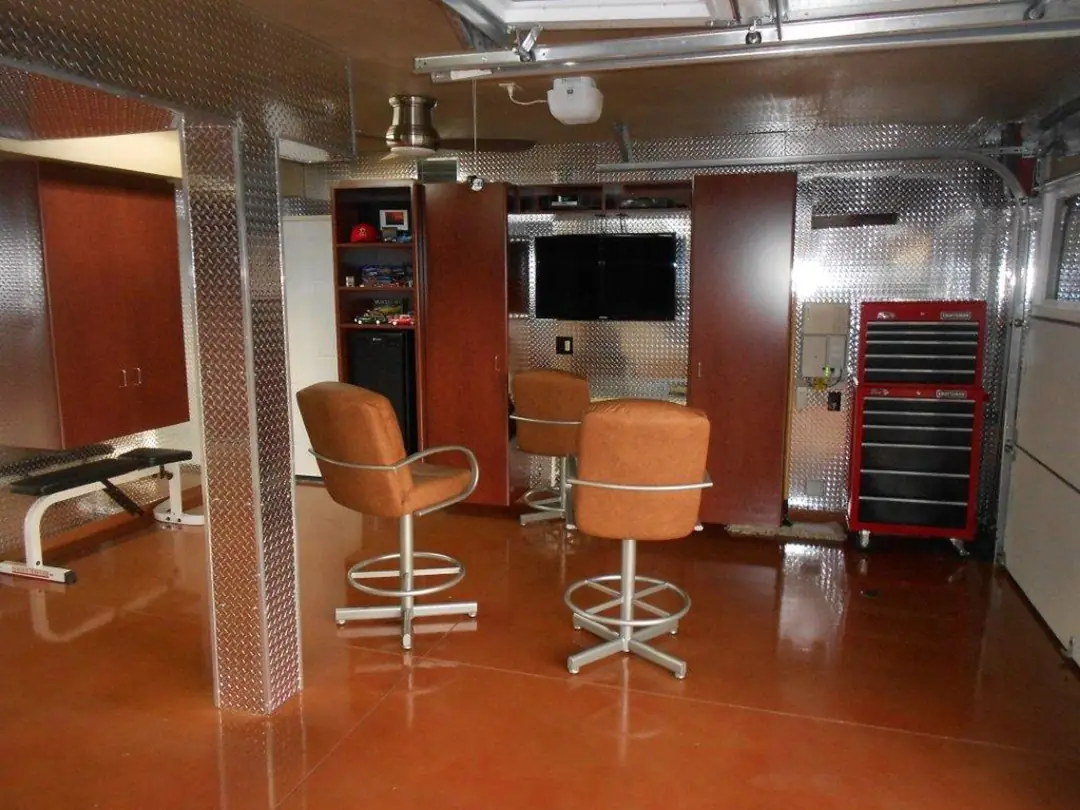
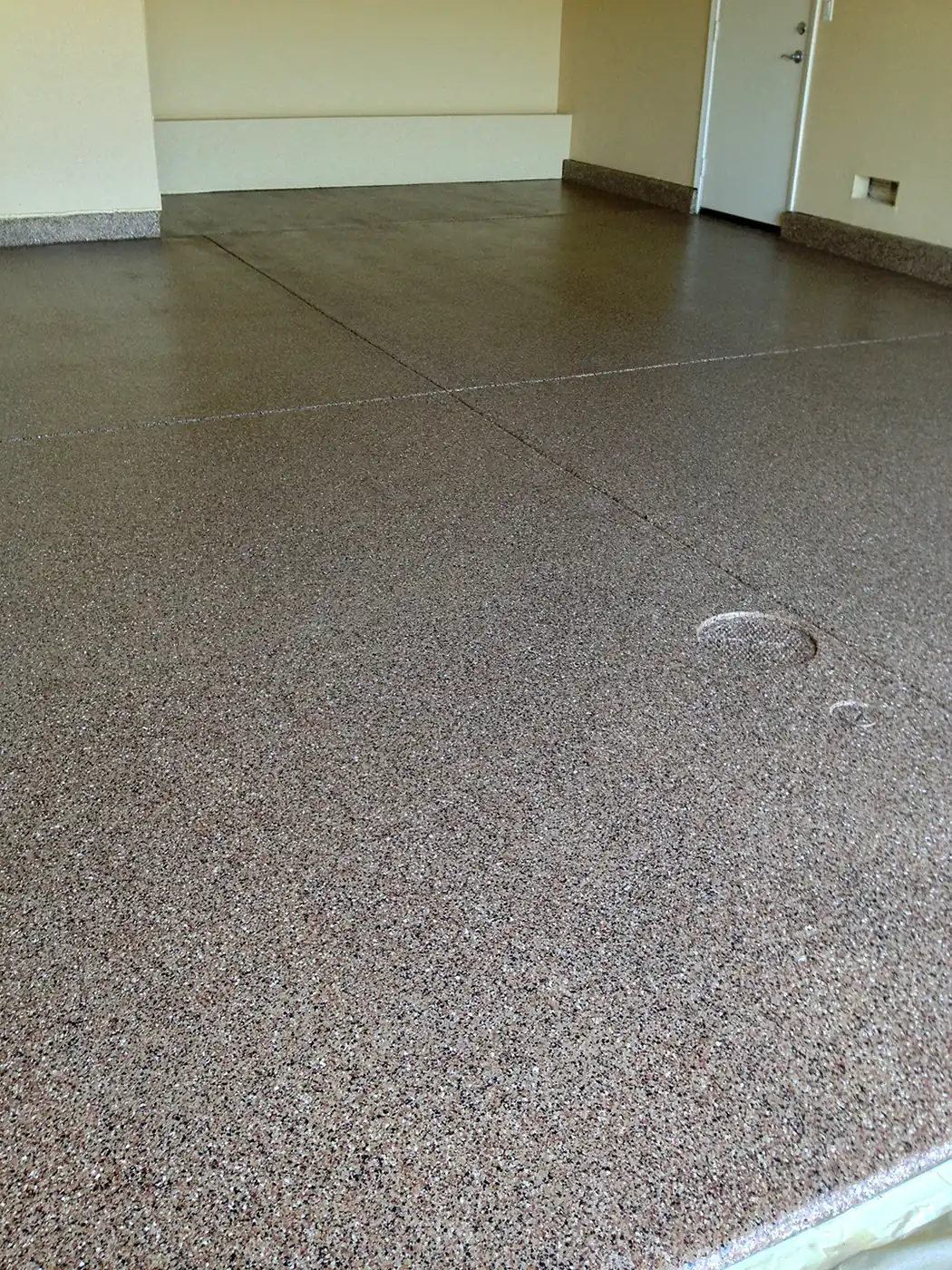
Ask to see photos of floors like yours: the same kind of space and the same finish, ideally a few years old. A pool deck contractor who mostly does garages, or the other way round, is worth knowing about before you hire them. Our gallery has the work we have done across all of our services.
Comparing the bids
Once you have the answers, put the bids side by side and compare the work, not just the total. A much cheaper bid is usually cheaper because something is missing: a lighter prep, an old coating left in place, cracks skimmed over, fewer coats. It is worth asking each contractor directly what is and is not included. Our cost guides for garage floors and pool decks set out what moves the price.
Ask us the same questions
We have been resurfacing and coating concrete since 1976, and preparation is where our time and most of your money goes. Our garage floor coatings, epoxy floor coatings and concrete resurfacing pages go into how we approach each job. Book a free on-site estimate, ask Dave every question on this list, and compare the answers with anyone else you are talking to.