If a contractor looks at a cracked driveway and immediately quotes demolition and a new pour, get a second opinion. Concrete can almost always be restored. Not always — but almost.
The difference between a slab worth resurfacing and one worth replacing comes down to a single question, and you can usually answer it yourself in about a minute.
The test: is it moving?
Go to the worst crack on the slab. Put your hand flat across it and feel whether one side is higher than the other.
No height difference. The crack is a shrinkage or thermal crack. The slab is in one plane, it is just not in one piece. This is normal, it is not a structural problem, and it is exactly what resurfacing is for. The crack gets routed out, filled with a flexible repair material, and the whole area gets a new wearing surface over the top.
There is a height difference. One section has settled, lifted or been pushed by a root. That is active movement. A coating over it will crack again along the same line, usually within a year, because the thing causing the crack has not stopped. This is where the honest answer might be replacement, or at minimum a repair that addresses what is underneath.
That is the whole test. Everything else is detail.
What resurfacing actually handles
- Surface wear, weathering and the chalky look old concrete gets
- Stains — oil, rust, sun bleaching, whatever previous owners spilled
- Spalling and flaking, once the loose material is ground back to sound concrete
- Stable cracks of almost any width
- Mismatched patches from previous repairs
- A finish you simply dislike
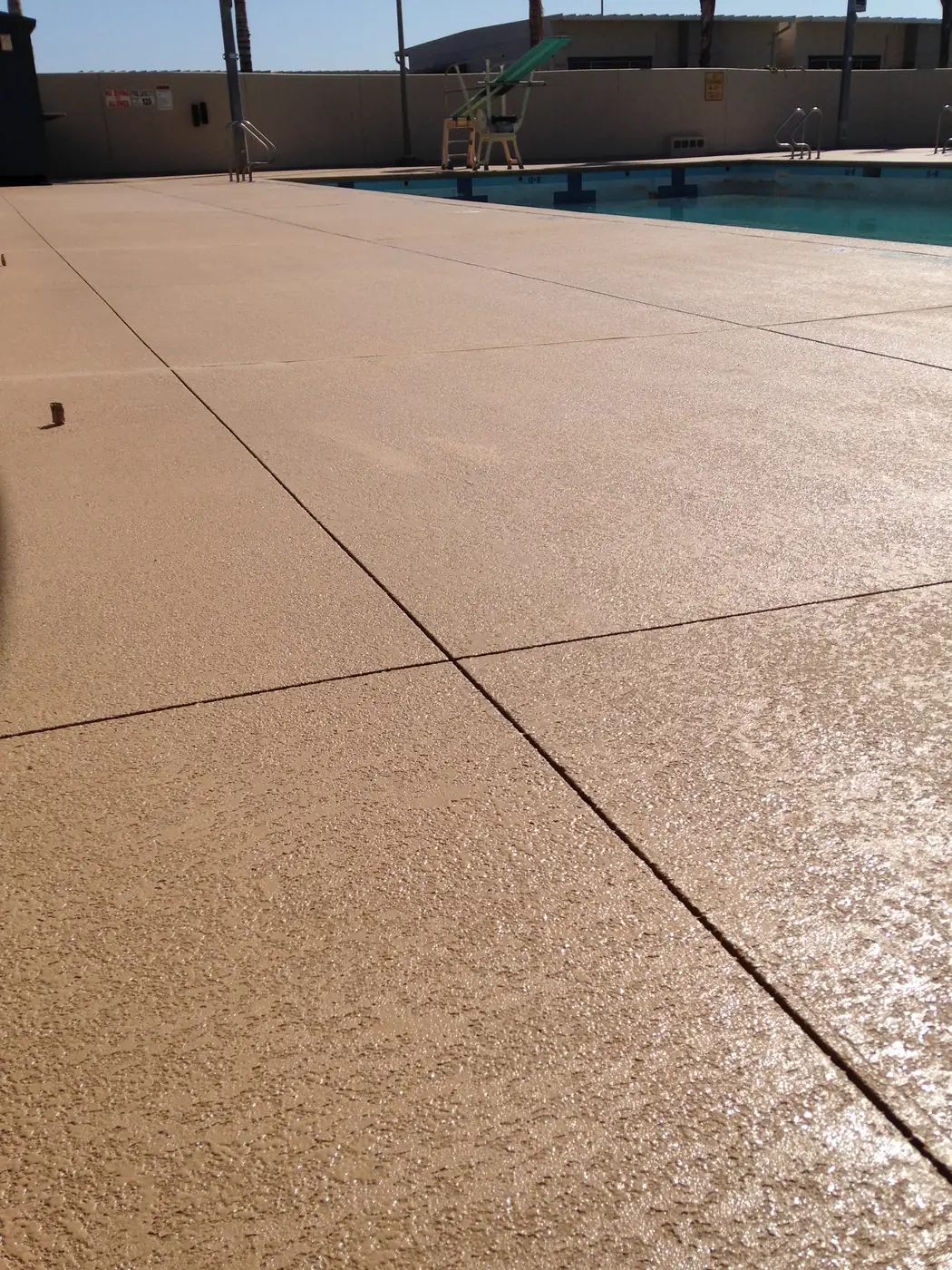
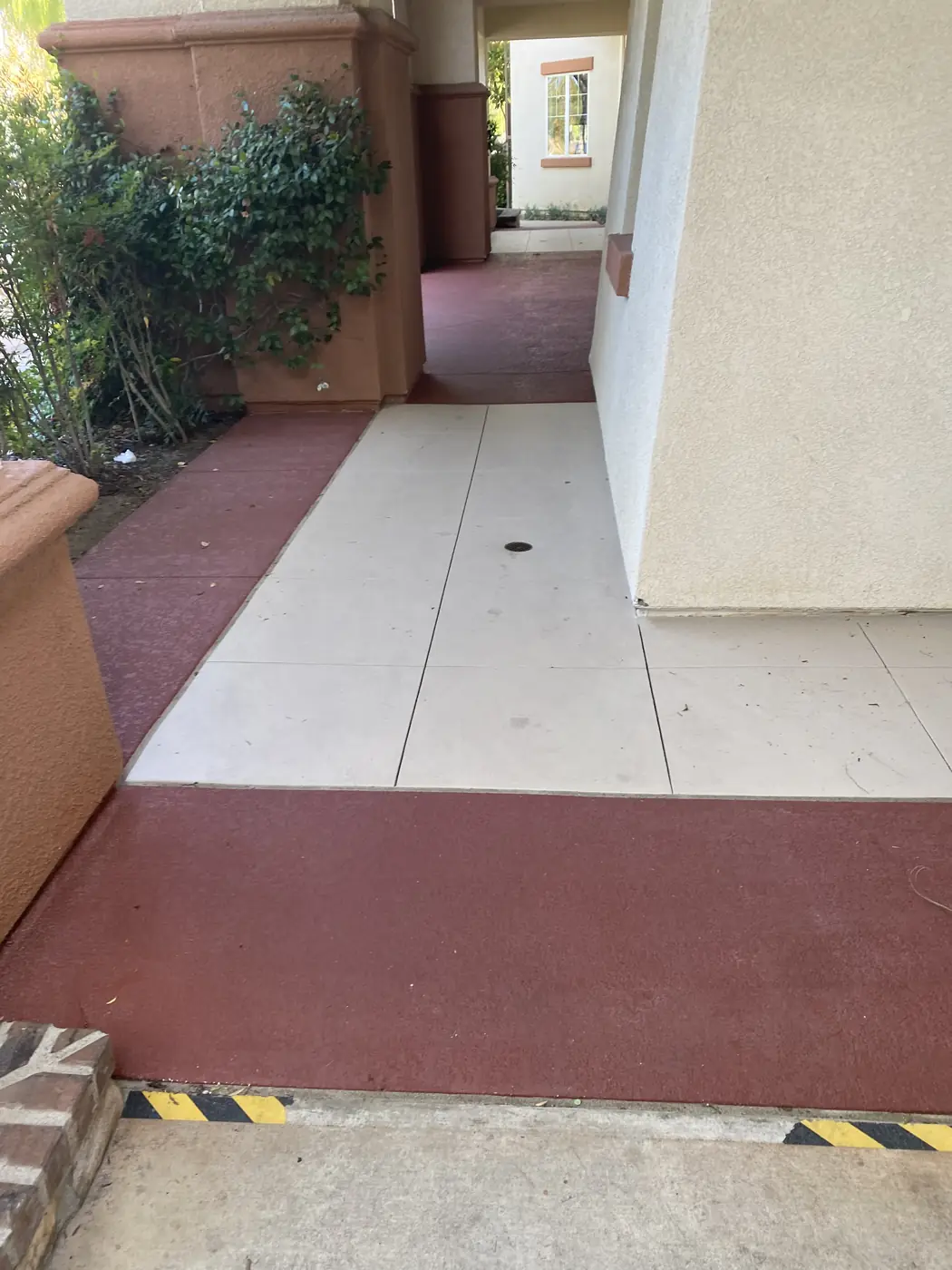
What you get back is a slab with a new surface — color, texture and all — on the same foundation you already had.
Why it costs less
Replacement is not just the price of new concrete. It is demolition, breaking out, hauling away and disposing of the old slab, then forming, pouring, finishing and waiting for it to cure. It is disruptive and it takes weeks.
Resurfacing keeps the slab. The preparation is real work and we do not pretend otherwise, but you are not paying to remove and dispose of several tons of concrete.
There is also a cosmetic argument people forget: a brand new slab next to your older concrete looks like a brand new slab for years. It weathers at a different rate and it never quite matches. A resurfaced area is finished to whatever color and texture you choose, so it can be made to match — or deliberately not to.
The finishes available
Resurfacing is not one product. Depending on what the area is and what you want:
- Knockdown and textured finishes — the standard for driveways, patios and pool decks, where grip matters
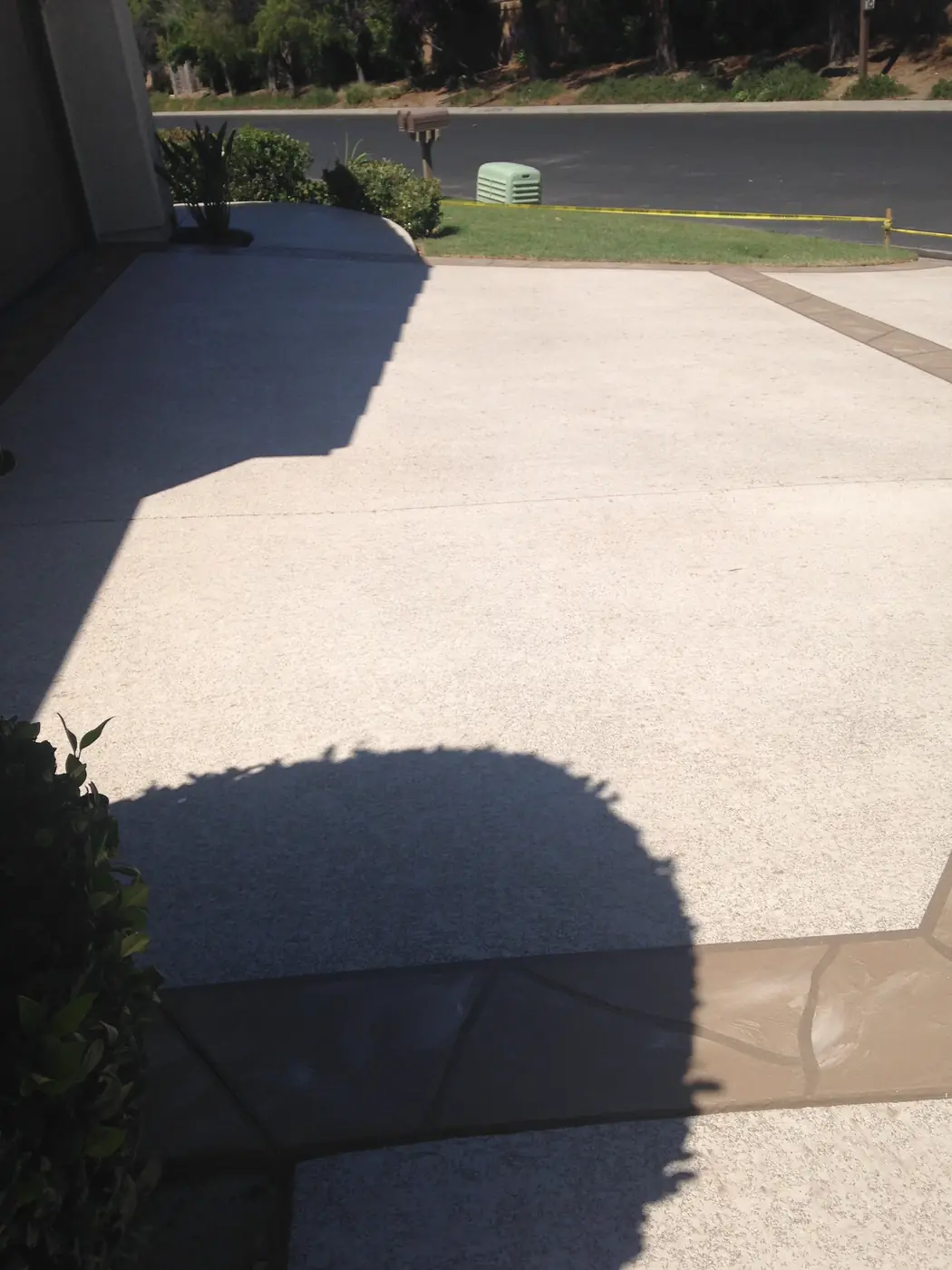
- [Microtopping](/services/microtopping) — a few millimeters thick, smooth or patterned, including flagstone effects. Useful where floor levels cannot change
- [Stains and dyes](/services/exterior-concrete-staining) — color worked into the concrete rather than laid over it, so there is no film to peel. Suits older properties where a modern gloss would look wrong
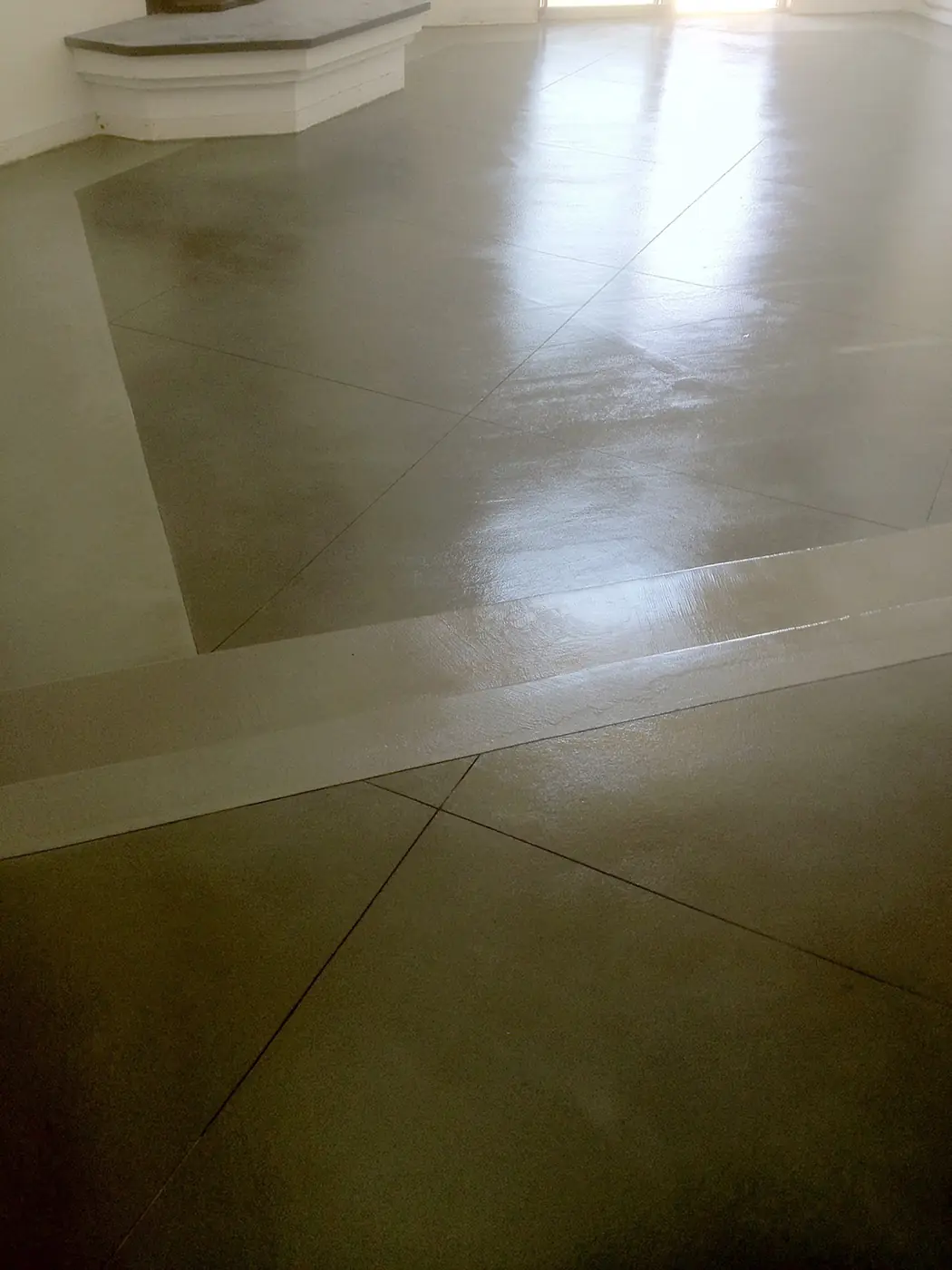
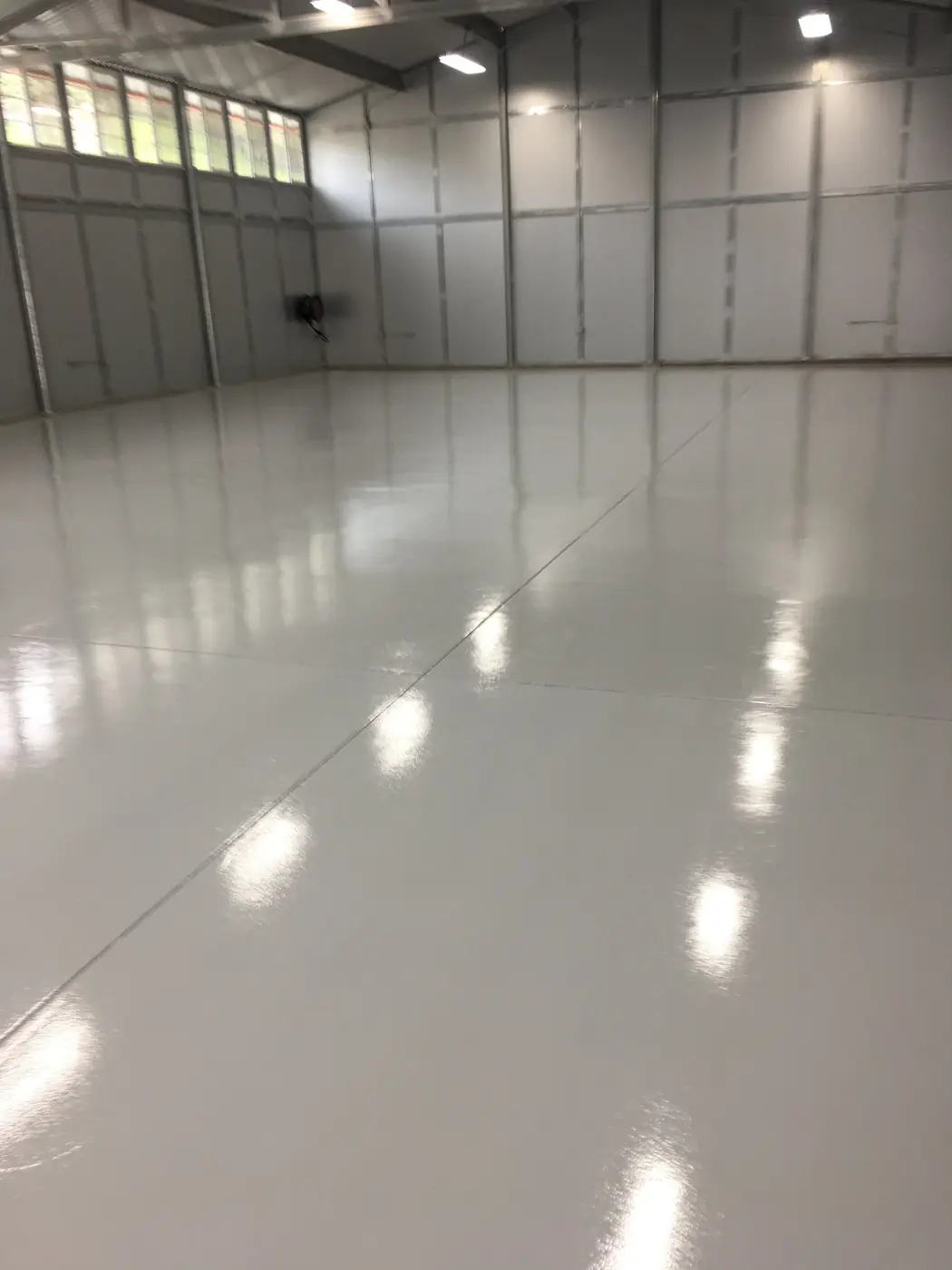
- [Polished concrete](/services/polished-concrete) — for interior slabs, refining the concrete itself rather than adding anything to it
Where old concrete is worth more than new
In Riverside's Wood Streets, in Upland, in Redlands and in the older parts of San Diego, there is residential concrete from the 1920s and 30s that is genuinely better material than a modern pour. Higher cement content, dense, well cured, and it has already done all the shrinking it is ever going to do.
That concrete is worth restoring. It is also thinner than modern slabs and it has had a century of movement, so it needs a gentler approach — lighter grinding, matched repairs and a resurfacing coat that can move with it rather than a rigid system that cannot.
When we will tell you to replace
We will. If the slab has failed structurally, if sections have separated vertically, if there is a drainage problem undermining it, or if the concrete has deteriorated all the way through, a coating is money wasted and we will say so at the estimate.
That is worth more to us than one job. We have been doing this since 1976 and most of our work comes from people who were told the truth the first time.
Book a free on-site estimate and we will look at what you have and tell you which one you are dealing with.